
North Carolina State University Athletics
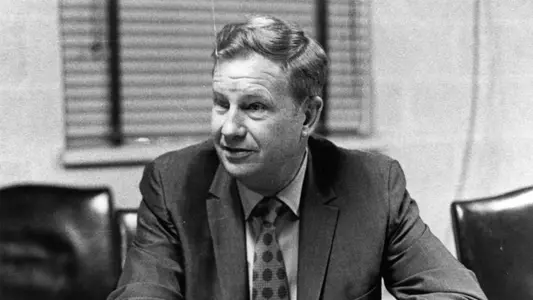
NC State Athletic Hall of Fame: Willis Casey
4/10/2019 7:50:00 AM | Swimming
Hall of Fame ceremony takes place April 13 in Reynolds Coliseum
NC State Athletic Hall of Fame | Ceremony Info | Purchase Tickets
RALEIGH, N.C. - Even for his closest friends, Willis Casey could be a hard person to love—unless you knew his results.
Outwardly, he was a gruff, demanding boss, one who might fire a coach in the morning and invite him to a matinee movie at Mission Valley theater in the afternoon. That's what Casey did with wrestling coach Bob Guzzo one day.
Casey fired senior associate athletics director Frank Weedon, his right-hand man for two decades, so many times it was almost a standing item on his weekly agenda. Like everyone else, Weedon never got his desk cleaned out before Casey came to him to solve another problem and move on with his daily routine.
"He was a man who was a genius with an athletic department budget, a man who was an expert at choosing coaches, a mover and a shaker behind the scenes in the ACC and the NCAA, and a man who had a deep dislike of the public spotlight," the late Weedon once said of his longtime boss.
When he retired on June 30, 1986, Casey told Weedon he "loved him as a brother."
As athletics director from 1969 to '86, Casey once went into the coaching box at Carter-Finley Stadium and fired every one of Monte Kiffin's assistants after the Wolfpack allowed two touchdown passes to Miami quarterback Jim Kelly in the first five minutes of a 1982 contest. One of those assistants was current Wolfpack Club executive director Bobby Purcell.
"Willis was a great coach and competitive person," says Purcell, who regained his good graces along with the rest of the coaches in the box that day and kept his job. "He was great in identifying good coaches and letting them know his expectations for them.
"He was demanding, but he didn't really micromanage. He wanted to win badly and sort of infected everyone with his competitive spirit. He was especially competitive about beating Carolina."
Casey becomes much more lovable when reviewing his coaching record, his administrative successes and the accomplishments of the athletics department under his guidance. Not to mention his enormous impact on both the Atlantic Coast Conference and the NCAA.
Reclusive and uncomfortable in the spotlight, Casey probably wouldn't embrace his deserved induction into the NC State Athletic Hall of Fame on April 13 any more than he embraced being inducted into the North Carolina Sports Hall of Fame, the North Carolina Swimming Hall of Fame and the National Association of Collegiate Directors of Athletics Hall of Fame.
Casey will join basketball players Rodney Monroe and Trudi Lacey, golfer Tim Clark, swimmer Cullen Jones and the 1983 NCAA championship team in the fourth class of inductees into the hall.
Few people had more impact on Wolfpack athletics than Casey from the day he was hired—at the same time as legendary basketball coach Everett Case, former major league pitcher Vic Sorrell and football coach Beattie Feathers in their sports—to be NC State's swimming coach on July 1, 1946.
In 23 years as a swimming coach, he won 11 Southern Conference and ACC swimming title, produced four NCAA individual champions, nine AAU individual titles and two AAU team titles. His Wolfpack teams owned a 189-23 record (.892 winning percentage) in dual meets and 33 of his swimmers won All-America honors. And every one of his scholarship swimmers, at his insistence, earned an NC State degree.
Among his greatest achievements, Casey said, was winning the 1964 AAU outdoor national championship with just five swimmers, easily defeating teams that brought more than two dozen swimmers to the event.
NC State's swimming complex, the Willis R. Casey Natatorium, is named in his memory.
While serving as a successful coach, Casey was the only assistant to athletics director Roy Clogston. He was the manager of Reynolds Coliseum and was the tournament director for the Dixie Classic and the ACC basketball championships, handling the department's finances.
"He was a master at budgeting and controlling finances," Weedon once said.
In 17 years as Clogston's successor, Casey's department won 49 ACC titles, two NCAA team titles, two AIAW (Association in Intercollegiate Athletics for Women, the early governing body for women's sports) and 15 individual national championships. He turned a $700,000 budget that was $100,000 in debt into a $9 million annual budget that was always black when he retired.
Shortly after the passage of the 1972 Education Acts, Case became one of the first leaders at a Division I coach to embrace women's athletics. He hired Kay Yow to start women's athletics at NC State, with the full expectation that she would create successful programs. He approved a total of 50 scholarships for women athletes in volleyball, slow-pitch softball and basketball.
Casey had an uncanny knack for identifying talented young coaches. During his tenure, he hired Yow, Lou Holtz, Jim Valvano, Dick Sheridan, Don Easterling, Bob Guzzo, Rollie Geiger, Richard Sykes, George Tarantini and Mark Stevenson, just to name a few.
Perhaps Casey's greatest achievements was paying off the untenable financing agreement for Carter Stadium—which required that all profits from football ticket sales, concessions and parking go to paying off the stadium debt—some 23 years early, freeing up money for the athletics operating budget.
His legacy continues: Of the 62 ACC titles won by the Wolfpack since Casey retired 32 years ago, 49 were won by coaches Casey hired.
Casey pushed his fellow ACC athletics directors to syndicate the league's sports on television, following the successful national broadcast of the NC State-Maryland basketball game on Super Bowl Sunday in 1973.
Nationally, after taking over as chairman of the NCAA's influential committee on men's basketball, Casey shepherded the expansion of the NCAA men's tournament to more than one representative per conference. The expanded tournament paved the road for what is now known as "March Madness," which is America's second largest sporting event after the Super Bowl.
Casey never sought the spotlight for his many accomplishments throughout his career, but they will shine on with his inclusion in the Class of 2018 of the NC State Athletic Hall of Fame.
By Tim Peeler
RALEIGH, N.C. - Even for his closest friends, Willis Casey could be a hard person to love—unless you knew his results.
Outwardly, he was a gruff, demanding boss, one who might fire a coach in the morning and invite him to a matinee movie at Mission Valley theater in the afternoon. That's what Casey did with wrestling coach Bob Guzzo one day.
Casey fired senior associate athletics director Frank Weedon, his right-hand man for two decades, so many times it was almost a standing item on his weekly agenda. Like everyone else, Weedon never got his desk cleaned out before Casey came to him to solve another problem and move on with his daily routine.
"He was a man who was a genius with an athletic department budget, a man who was an expert at choosing coaches, a mover and a shaker behind the scenes in the ACC and the NCAA, and a man who had a deep dislike of the public spotlight," the late Weedon once said of his longtime boss.
When he retired on June 30, 1986, Casey told Weedon he "loved him as a brother."
As athletics director from 1969 to '86, Casey once went into the coaching box at Carter-Finley Stadium and fired every one of Monte Kiffin's assistants after the Wolfpack allowed two touchdown passes to Miami quarterback Jim Kelly in the first five minutes of a 1982 contest. One of those assistants was current Wolfpack Club executive director Bobby Purcell.
"Willis was a great coach and competitive person," says Purcell, who regained his good graces along with the rest of the coaches in the box that day and kept his job. "He was great in identifying good coaches and letting them know his expectations for them.
"He was demanding, but he didn't really micromanage. He wanted to win badly and sort of infected everyone with his competitive spirit. He was especially competitive about beating Carolina."
Casey becomes much more lovable when reviewing his coaching record, his administrative successes and the accomplishments of the athletics department under his guidance. Not to mention his enormous impact on both the Atlantic Coast Conference and the NCAA.
Reclusive and uncomfortable in the spotlight, Casey probably wouldn't embrace his deserved induction into the NC State Athletic Hall of Fame on April 13 any more than he embraced being inducted into the North Carolina Sports Hall of Fame, the North Carolina Swimming Hall of Fame and the National Association of Collegiate Directors of Athletics Hall of Fame.
Casey will join basketball players Rodney Monroe and Trudi Lacey, golfer Tim Clark, swimmer Cullen Jones and the 1983 NCAA championship team in the fourth class of inductees into the hall.
Few people had more impact on Wolfpack athletics than Casey from the day he was hired—at the same time as legendary basketball coach Everett Case, former major league pitcher Vic Sorrell and football coach Beattie Feathers in their sports—to be NC State's swimming coach on July 1, 1946.
In 23 years as a swimming coach, he won 11 Southern Conference and ACC swimming title, produced four NCAA individual champions, nine AAU individual titles and two AAU team titles. His Wolfpack teams owned a 189-23 record (.892 winning percentage) in dual meets and 33 of his swimmers won All-America honors. And every one of his scholarship swimmers, at his insistence, earned an NC State degree.
Among his greatest achievements, Casey said, was winning the 1964 AAU outdoor national championship with just five swimmers, easily defeating teams that brought more than two dozen swimmers to the event.
NC State's swimming complex, the Willis R. Casey Natatorium, is named in his memory.
While serving as a successful coach, Casey was the only assistant to athletics director Roy Clogston. He was the manager of Reynolds Coliseum and was the tournament director for the Dixie Classic and the ACC basketball championships, handling the department's finances.
"He was a master at budgeting and controlling finances," Weedon once said.
In 17 years as Clogston's successor, Casey's department won 49 ACC titles, two NCAA team titles, two AIAW (Association in Intercollegiate Athletics for Women, the early governing body for women's sports) and 15 individual national championships. He turned a $700,000 budget that was $100,000 in debt into a $9 million annual budget that was always black when he retired.
Shortly after the passage of the 1972 Education Acts, Case became one of the first leaders at a Division I coach to embrace women's athletics. He hired Kay Yow to start women's athletics at NC State, with the full expectation that she would create successful programs. He approved a total of 50 scholarships for women athletes in volleyball, slow-pitch softball and basketball.
Casey had an uncanny knack for identifying talented young coaches. During his tenure, he hired Yow, Lou Holtz, Jim Valvano, Dick Sheridan, Don Easterling, Bob Guzzo, Rollie Geiger, Richard Sykes, George Tarantini and Mark Stevenson, just to name a few.
Perhaps Casey's greatest achievements was paying off the untenable financing agreement for Carter Stadium—which required that all profits from football ticket sales, concessions and parking go to paying off the stadium debt—some 23 years early, freeing up money for the athletics operating budget.
His legacy continues: Of the 62 ACC titles won by the Wolfpack since Casey retired 32 years ago, 49 were won by coaches Casey hired.
Casey pushed his fellow ACC athletics directors to syndicate the league's sports on television, following the successful national broadcast of the NC State-Maryland basketball game on Super Bowl Sunday in 1973.
Nationally, after taking over as chairman of the NCAA's influential committee on men's basketball, Casey shepherded the expansion of the NCAA men's tournament to more than one representative per conference. The expanded tournament paved the road for what is now known as "March Madness," which is America's second largest sporting event after the Super Bowl.
Casey never sought the spotlight for his many accomplishments throughout his career, but they will shine on with his inclusion in the Class of 2018 of the NC State Athletic Hall of Fame.
By Tim Peeler
Tuesday, April 28
Monday, October 28
Tuesday, January 24
Tuesday, May 03