North Carolina State University Athletics
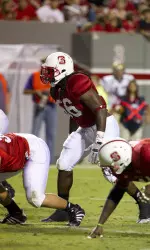
Irving, NCDOT Urge Drivers To Be Careful
11/24/2010 12:00:00 AM | Football
Nov. 24, 2010
Watch Irving's Public Service Announcement
RALEIGH, N.C. — Nate Irving is lucky to be alive; and he knows it. The standout linebacker for NC State's football team was one of 2,048 people injured in accidents involving driving drowsy in North Carolina in 2009.
On June 28, 2009, Irving was visiting his family at their home in Wallace. It was late, but he decided to drive back to Raleigh. He shrugged off feeling tired. After all, he had made the 90-mile trip countless times before.
Irving fell asleep behind the wheel in western Johnston County, about 30 miles from Raleigh. Authorities say his SUV hit two trees around 4:40 a.m. His vehicle was destroyed. It was a miracle he survived.
He woke up in the emergency room at WakeMed in Raleigh with tubes coming out of chest. He had a separated shoulder, collapsed lung, cracked ribs and a compound fracture in his left leg.
“I could have died because I didn’t get enough rest,” Irving said. “I was lucky, but the next person may not be.”
That’s why Irving and NC State are partnering with the N.C. Department of Transportation to remind drivers to stay alert and don’t drive if they feel drowsy or tired. Irving is featured in a public service announcement advocating being an alert and safe driver. The video can be viewed at ncdot.gov, or on the department’s YouTube page.
Regarding drowsy driving, since 2005, North Carolina has averaged:
- More than 2,900 crashes per year.
- 27 deaths per year.
- More than 2,200 injuries per year.
- Statistics on drowsy driving don’t reflect how big the problem is because most drivers involved in crashes don’t admit they fell asleep at the wheel.
Tips on how to avoid drowsy driving:
- Get at least six hours of good sleep the night before a trip.
- Stop, pull over to a safe place and take a nap if you become sleepy.
- Travel at times when you are normally awake.
- Travel with a passenger who is awake.
- Take a break every two hours or every 150 miles.
- Drink a caffeinated beverage and wait about 30 minutes. But remember, caffeine will help keep you awake but not always alert.