North Carolina State University Athletics
Student-Athletes Prepare for Life After Sports
10/14/2009 12:00:00 AM | Pack Athletics
Raleigh, N.C. - As graduation approaches for student-athletes at NC State, the thought of what’s next certainly crosses their minds. While many dream of playing sports professionally, sometimes it’s just not in the cards. In today’s economy there is always a concern with not only finding a job, but also starting a successful career. The Academic Support Program for Student Athletes at NC State does its best to prepare graduates for their future
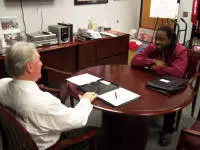
One class geared toward students approaching graduation is Speed Networking USC 401. Started three years ago, the semester-long class gives students the opportunity to meet and make contacts with professionals from different work environments. The students meet with each working professional for about three minutes, after which they rotate onto the next room.
Academic coordinator Alison Ruff organizes the professionals who come to talk with the students. “The night develops into a myriad of conversations from first impressions and corporate dos and don’ts to general transitional advice,” said Ruff. “The goal of the evening is to get them to meet as many individuals in the different fields as possible, and to open the door for future in-depth conversations.”
There are typically around 15 working professionals for the students to meet with. Many are former athletes at NC State, and represent a wide array of professions ranging from public relations and criminology to sport recreation and education. While there is usually a good mix of regular students and student-athletes, this year’s class consists of 16 student-athletes out of 18. A high percentage of those are football players, including Donald Bowens, Alan-Michael Cash, Jeraill McCuller, Ray Michel and Willie Young.
“I think it’s a great class,” said McCuller. “It helps athletes realize what it takes to be successful in the real world, if sports doesn’t work out. It gives us the foundation of what is needed for the job market.”
Nothing can replace meeting people in the work environment. At the end of the day the student-athletes get a better idea of what they want to do in their future, while making some contacts that can always assist with job hunting.